



Protect Your Mound, Home Plate, and Bases
Weighted or Grommeted Styles
Weighted rain spot covers use a built-in chain hem to stay put in high winds — no sandbags or stakes needed. Grommeted covers offer lightweight portability.
Three Durable Fabric Options
Choose 6 oz. or 8 oz. polyethylene for economical rain spot covers, or upgrade to 18 oz. vinyl for maximum durability and UV resistance.
Custom Logo Printing
Add your team logo or school crest to any vinyl rain spot cover. Promote your program every time a pitching mound cover hits the field.
Easy 2–3 Person Setup
Rain spot covers are sized for fast deployment by a small crew — get your baseball field covers down before the storm and off in time for first pitch.


Why Pitching Mound Protection Matters
A well-maintained pitching mound is essential for consistent performance and player safety. Rain can quickly erode the carefully shaped clay on the front slope and landing area, undoing hours of field prep. When left unprotected, water seeps into the clay, forcing grounds crews to regrade and replace material after every storm.
Aside from rain, sunlight can be just as damaging. Prolonged UV exposure dries out the clay surface, creating cracks and hard spots that make footing unpredictable for pitchers. By simply covering the mound between games and during the off-season, groundskeepers can dramatically reduce maintenance time, labor costs, and material use.
Groundskeepers at every level, from Little League fields to MLB stadiums, view pitching mound covers as their first line of defense against weather damage. A well-protected mound retains its shape, helping pitchers maintain consistent delivery mechanics and reducing the risk of injury caused by uneven footing.
Choosing the Right Mound Cover Size
Selecting the right mound cover size ensures complete protection and eliminates edge exposure to rain or sun. For Little League baseball fields, 10-foot or 12-foot diameter covers fit the smaller pitcher’s mounds used on 46-foot base paths.
High school, college, and professional fields require larger 18-foot or 20-foot covers to protect the full clay surface found on regulation 60-foot-6-inch fields. Your tarp should extend 2–3 feet beyond the mound’s edge on all sides to create full coverage.
To confirm proper sizing, measure from the back of the mound to about three feet past the front slope and double that distance for the ideal tarp diameter. For field layout reference, visit our baseball field dimensions guide.
Softball Mound Covers and Pitcher's Circle Tarps
Softball fields feature a flat pitcher’s circle instead of a raised mound, but they require the same level of care and protection. The same heavy-duty spot covers used for baseball work perfectly as softball mound covers, offering reliable defense against rain and sun exposure. A 20-foot diameter cover provides complete protection for the regulation 16-foot pitcher’s circle, with a few extra feet of overlap for full coverage. Unprotected circles can quickly suffer from erosion, drying, and uneven footing. That is why softball programs at every level, including youth leagues, high schools, NCAA teams, and professional organizations, use quality softball mound covers and pitcher’s circle tarps to maintain clay consistency, reduce maintenance, and keep players safe.
Frequently Bought Together
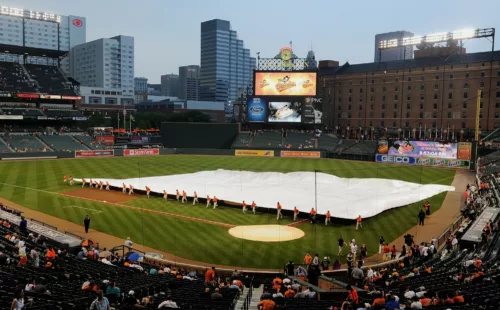
Baseball Field Tarps and Covers
Save baseball and softball fields (and games) from the damaging effects of rain with FieldSaver® protective infield rain tarps.
Buy Now
Infield Batting Practice Turf & Collar Protectors
Heavy-duty mesh covers protect the turf surrounding your batting cage and other high-wear areas during practice.
Buy Now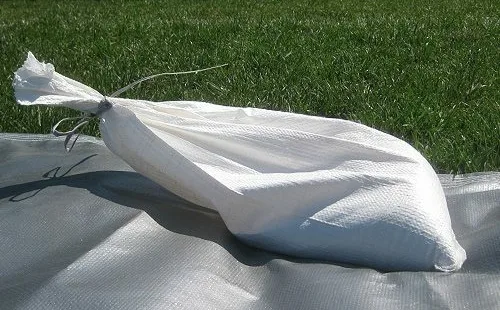
Sandbags & Stakes
Keep your infield and spot covers in place with two grades of sandbags and/or two choices of stakes.
Buy Now
Baseball Windscreen
Amplify engagement and block disturbances. Spotlight your team or school with custom printing!
Buy Now