


Field Guide
Little League Field Safety & Maintenance Guide
Ensuring Youth Baseball Field Safety Through Smart Field Maintenance
August 25, 2025

In Little League baseball, player safety is the top priority. Coaches, field managers, volunteers, and grounds crews all share the responsibility of providing a secure, well-maintained environment where young athletes can play, learn, and grow. Consistent and proactive field maintenance is one of the most effective ways to reduce the risk of injury and keep the game safe.
Uneven baselines, exposed sprinkler heads, and worn pitching mounds are just a few common issues that can lead to injuries. That is why a thorough field inspection before each practice or game is essential. It allows you to identify and address hazards early, keeping the field level, stable, and game-ready.
Below is a comprehensive baseball field safety checklist to guide your inspections. This practical tool will help you evaluate every part of the field, from the bleachers to the outfield, and ensure a safe, well-prepared space for all players.
Inspect the Area Outside the Playing Field
A safe baseball environment starts beyond the baselines. The spaces surrounding the field are just as important as the infield and outfield when it comes to protecting players, coaches, and spectators. Including these areas in your pre-game field safety inspection helps prevent avoidable accidents and supports a safe, well-managed facility.
Focus on the following key areas:
- Bleachers: Confirm all seating is stable and in good repair. Watch for loose bolts, cracked boards, rust, or sharp edges that could cause injury.
- Emergency Access: Ensure emergency phones are working and contact numbers are clearly posted for quick response if needed.
- Lighting: Check that field lights function properly, especially for evening use. Replace any burned-out bulbs or broken fixtures.
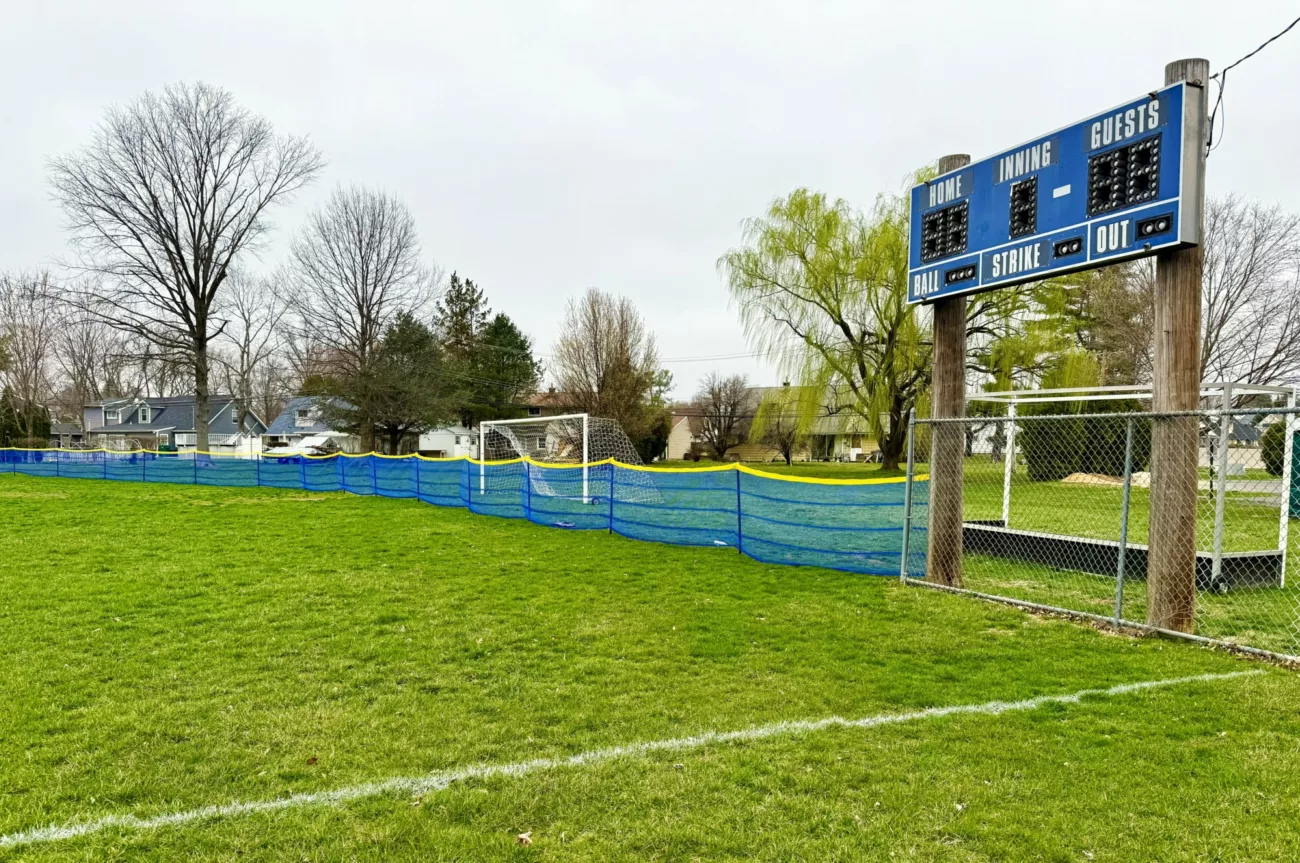
- Fencing: Walk the perimeter to spot damaged areas, protruding wires, or sharp edges. Use safety caps or toppers to reduce injury risks.
- Weather Shelter: Identify the closest safe shelter in case of lightning or severe weather and make sure everyone knows its location.
Inspecting the surrounding areas is a crucial part of youth baseball field safety, creating a safer and more welcoming space for every practice and game.
Inspect the Infield for Safe Play
The infield is the heart of action in youth baseball, making it one of the most critical areas to monitor during a pre-game field safety inspection. Frequent foot traffic from pitchers, batters, and base runners increases the risk of wear and uneven surfaces.
Use this infield safety checklist to identify and correct common hazards before play begins:
- Baselines: Ensure baselines are flat, level, and free of holes, cracks, or ruts that could cause players to trip or lose balance.
- Soil Transitions: Check for lip or soil buildup between the grass and dirt areas. These raised edges can disrupt gameplay and increase the risk of ankle injuries if not properly smoothed out.
- Pitcher’s Mound: Look for depressions or wear in front of the pitching rubber and in the landing area. These spots should be filled and tamped to maintain stability and prevent missteps.
- Pitching Rubber: Make sure the rubber is flush with the mound surface and securely anchored, with no loose or uneven edges.
- Batter’s Boxes: Inspect both batter’s boxes for holes, divots, or soft patches. The surface should be even and compact for consistent footing.
- Home Plate: Confirm that home plate is level with the surrounding area and clearly visible, with no raised edges or loose dirt that could interfere with play.
- Bases: Check that all bases are clean, stable, and properly anchored. Replace any bases with visible tears or damage to prevent slipping or tripping.
- Skinned Infield Surface: Drag the infield regularly and alternate drag patterns to prevent grooves and maintain an even playing surface.
- Sprinkler Heads: Walk the field to ensure no sprinkler heads are sticking up above the surface. Any that are visible should be adjusted or covered to avoid injury.
Understanding how to inspect a baseball field for hazards, especially in the infield, is essential for keeping players safe.
Outfield Safety Inspection
While the infield often draws the most attention, outfield maintenance for youth baseball is equally essential to ensure full-field safety and performance. Because the outfield covers a large area and sees regular movement from fielders, it must be carefully inspected for uneven terrain, poor drainage, and hidden hazards.
Use this outfield checklist to support a safe playing surface:
- Grass Height: Maintain grass between 1 and 2 inches, depending on the type of turf. Mowing too short can expose dirt and cause slipping, while overly long grass can hide uneven ground or debris.
- Drainage & Wet Spots: Identify any puddles, soft patches, or waterlogged areas, especially after rain. These spots increase the risk of slipping and should be addressed before play begins.
- Animal Damage & Uneven Ground: Look for signs of burrowing animals, holes, cracks, or raised mounds. These can disrupt footing and lead to twisted ankles or falls if not properly filled and leveled.
- Debris Removal: Walk the entire outfield to pick up any rocks, sticks, leaves, or trash. Even small objects can interfere with a player’s movement or lead to injury.
- Sprinklers & Drainage Gates: Ensure all sprinkler heads and drainage covers are flush with the surface or securely covered. Anything protruding from the ground presents a significant safety risk.
A well-maintained outfield not only minimizes injury risks but also contributes to a smoother, more enjoyable playing experience. Making this part of your routine is key to knowing how to maintain a safe baseball field from the foul line to the fence.
Year-Round Maintenance Matters
Maintaining a safe baseball field goes beyond game-day inspections. Consistent, year-round care is essential for preserving field quality, ensuring long-term safety, and supporting optimal play conditions throughout the season.
Here are the key best practices for off-season and ongoing field maintenance:
- Establish Regular Schedules: Mow, water, edge, and groom the infield and outfield on a routine basis. Set dedicated workdays in the spring and fall for reseeding thin grass areas, edging lines, and rebuilding key areas like the pitcher’s mound and batter’s box.
- Invest in the Right Tools: Equip your crew with nail drags, screen drags, tampers, rakes, and rollers to ensure efficient and thorough field care.
- Watering & Tarping: Water the field early in the morning or late in the day to reduce evaporation. Use tarps to cover the mound and home plate areas to maintain moisture and protect the surface between games.
- Drag Techniques: Drag the skinned infield using different patterns each time, and avoid pulling dirt toward the grass edge to prevent lip buildup that can lead to injuries and unpredictable ball movement.
- Soil Consistency and Repair: Use mound clay to fill low spots in the batter’s box or landing area, and compact these areas with a hand tamp to restore a stable, even surface.
Check Your Field Dimensions
Accurate Little League field dimensions support both player safety and fair competition. Keeping field measurements in line with league regulations ensures a consistent experience for all teams and helps reduce the risk of accidents due to incorrect spacing or uneven field elements.
Follow these basic guidelines:
- Standard Distances: Verify a 46-foot pitching distance and 60-foot base paths. Use a measuring tape or laser tool to check placement and adjust if needed to meet official standards.
- Chalking & Templates: Use base and batter’s box templates, along with string lines, to lay out straight, uniform lines. Proper chalking not only supports gameplay accuracy but also improves visibility and overall field presentation.
By confirming proper layout and proportions, you reinforce youth baseball field safety and maintain the integrity of the game across all age groups.
FAQs
What should be included in a Little League field safety checklist?
A comprehensive Little League field safety checklist should cover all areas of the field, including the bleachers, fencing, lighting, emergency access, infield, outfield, and sprinkler systems. It ensures that the field is level, clean, properly equipped, and free of hazards before every practice or game.
What are common hazards found on Little League fields?
Typical hazards include uneven baselines, worn pitching mounds, exposed sprinkler heads, animal burrows, puddles, and damaged fencing. Identifying and addressing these issues early is essential for youth baseball field safety.
How often should you inspect a Little League field?
Field inspections should be performed before every practice and game to ensure player safety and field readiness. In addition, seasonal maintenance tasks such as reseeding, rebuilding mounds, and checking field dimensions should be scheduled in the spring and fall to keep the field in optimal condition throughout the year.
CoverSports
5000 Paschall Avenue
Philadelphia, PA 19143, USA

